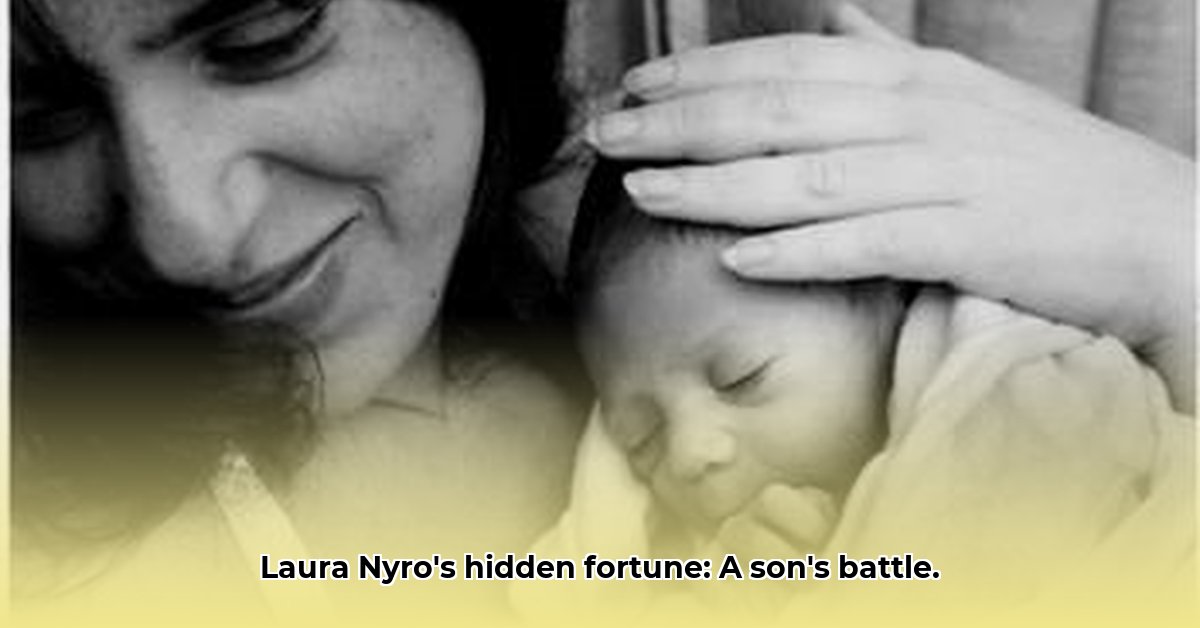
Laura Nyro's music, a potent blend of folk, jazz, and soul, continues to resonate decades after her death. Yet, the story of her estate is a jarring counterpoint to her artistic triumph – a tale of mystery, legal battles, and a son's struggle for justice. While the precise figure of her net worth remains elusive, the fight over her inheritance reveals a deeper story about the vulnerabilities of artists and their families in the often-opaque world of estate management. For more on estate complexities, see this example of net worth at death.
A Voice Silenced, a Legacy Contested
Laura Nyro's influence on music is undeniable. She penned timeless classics covered by the likes of Barbra Streisand and Elton John, leaving an indelible mark on generations of musicians. Her songs, brimming with raw emotion and intricate arrangements, earned her critical acclaim and commercial success. But this artistic legacy is tragically overshadowed by the controversy surrounding her estate, particularly the prolonged legal battle involving her son, Gil Bianchini, and the lingering question of his rightful inheritance. The exact value of her estate at death remains shrouded in secrecy, a fact that itself speaks volumes about the mismanagement and lack of transparency that characterized the situation. How could someone who left such a profound artistic impact have a legacy so shrouded in financial mystery?
The Unseen Tapestry of a Musical Genius's Wealth
Determining Laura Nyro's net worth at death proves a nearly impossible task due to a significant lack of readily available public information. This opacity is as much a part of the story as any dollar figure. This isn’t simply about a dry accounting; the lack of transparency itself reveals a deeper narrative of potential mismanagement and a disregard for the concerns of her heir. This deliberate lack of clarity is a key component of the narrative, far outweighing the significance of any specific numerical value. The absence of clear information highlights a troubling pattern of how artists’ estates are often handled, emphasizing the urgent need for more transparent practices in the music industry.
Gil Bianchini's Protracted Legal Battle
Gil Bianchini's fight for his inheritance became a protracted and complex legal battle, hindered by a lack of transparency surrounding his mother's estate. The details of these proceedings remain largely undisclosed, adding another layer of mystery to the already complicated situation. The very absence of this information, however, is deeply telling; it suggests a systemic issue within the management of artist estates, a system that often leaves heirs like Bianchini struggling to access their rightful inheritance. Why was such a high degree of secrecy maintained? Was it due to simple incompetence, or was something more calculated at play?
The Rock and Roll Hall of Fame Induction: A Stark Disparity
Nyro's induction into the Rock and Roll Hall of Fame in 2012 should have been a moment of joyous celebration. Yet, it instead highlighted the stark contrast between the public recognition of her musical genius and the private struggles of her son. Unlike many other inductees' families, who are given prominent roles in the ceremonies, Bianchini was conspicuously absent and had to purchase his own tickets to attend. This disparity underscores the inequities that can exist within the industry and raises questions about the ethical treatment of artist's families. This glaring omission only fueled the fire of his ongoing legal battle, underscoring the failure of the institution to address the crucial concerns of a deeply aggrieved heir.
A Legacy Beyond Dollars: The Fight for Reform
The protracted battle over Laura Nyro's estate transcends mere financials. It serves as a microcosm of a larger systemic problem within the music industry, exposing the vulnerabilities of artists' families post-death. It highlights the need for greater transparency in estate management and stronger legal protections for artists and their heirs. The case underscores a crucial imbalance of power, forcing a much-needed conversation about fairness and accountability in managing the financial legacies of the creative individuals who have enriched our world with their talent. The legacy of Laura Nyro is not just about the music she left; it's also a battle cry for reform within an industry that needs urgent change. It's a call for a system that protects artists and their loved ones, ensuring fairness and justice prevail. Her story demands that we learn from the past to create a better future.